

Recommended Products
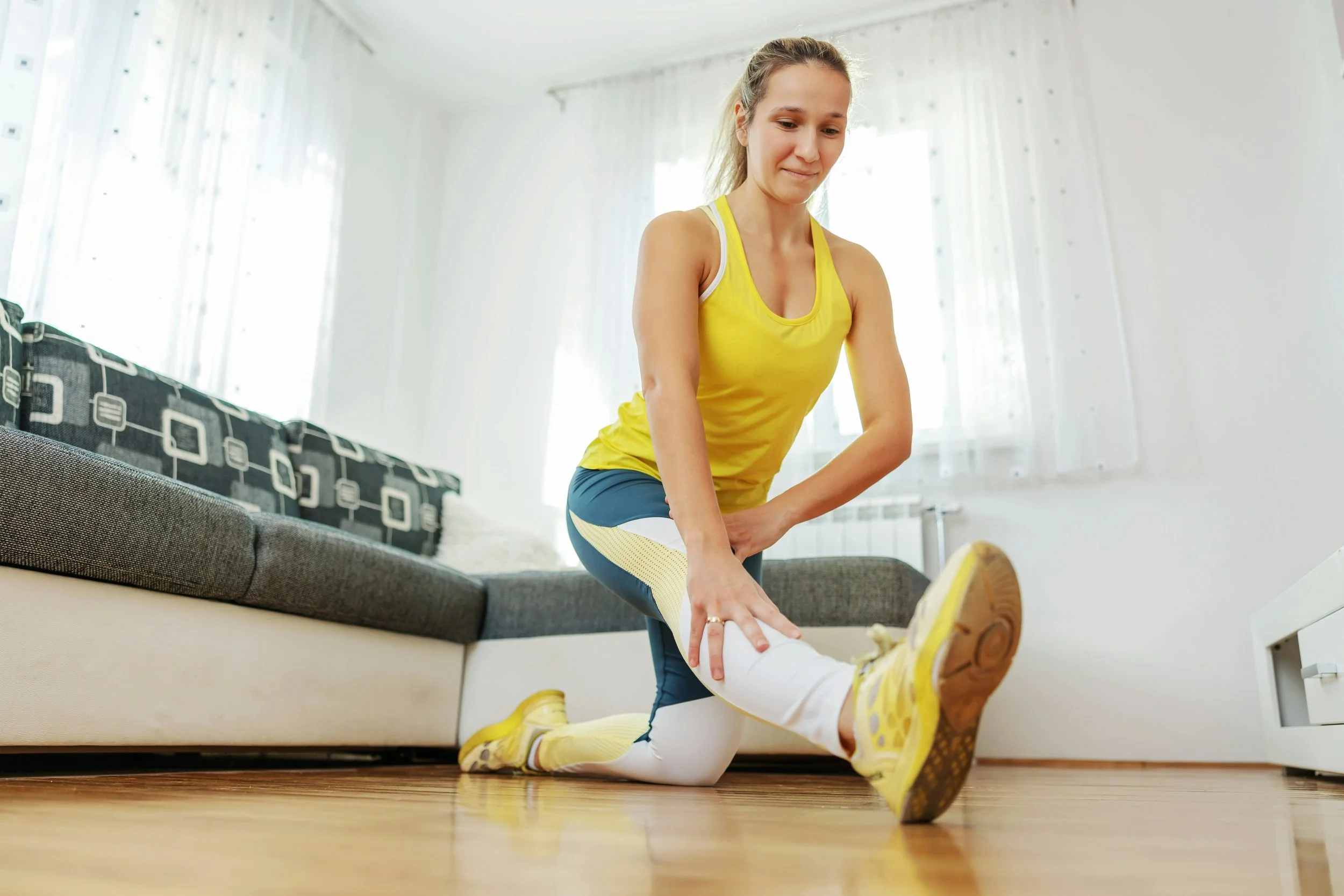
Dr. Baird’s Recommended Footwear
One of the most common questions patients ask is:
“Is my footwear contributing to my foot pain?”
The answer is often yes.
Footwear plays a major role in how forces are distributed through the foot and ankle. The wrong shoe can increase stress on joints, tendons, and ligaments, while the right shoe can dramatically reduce strain.
Because footwear changes constantly, I regularly visit both men’s and women’s shoe stores to evaluate current designs, materials, and construction so I can make better recommendations to patients.
Below are general guidelines I often discuss with patients.
-
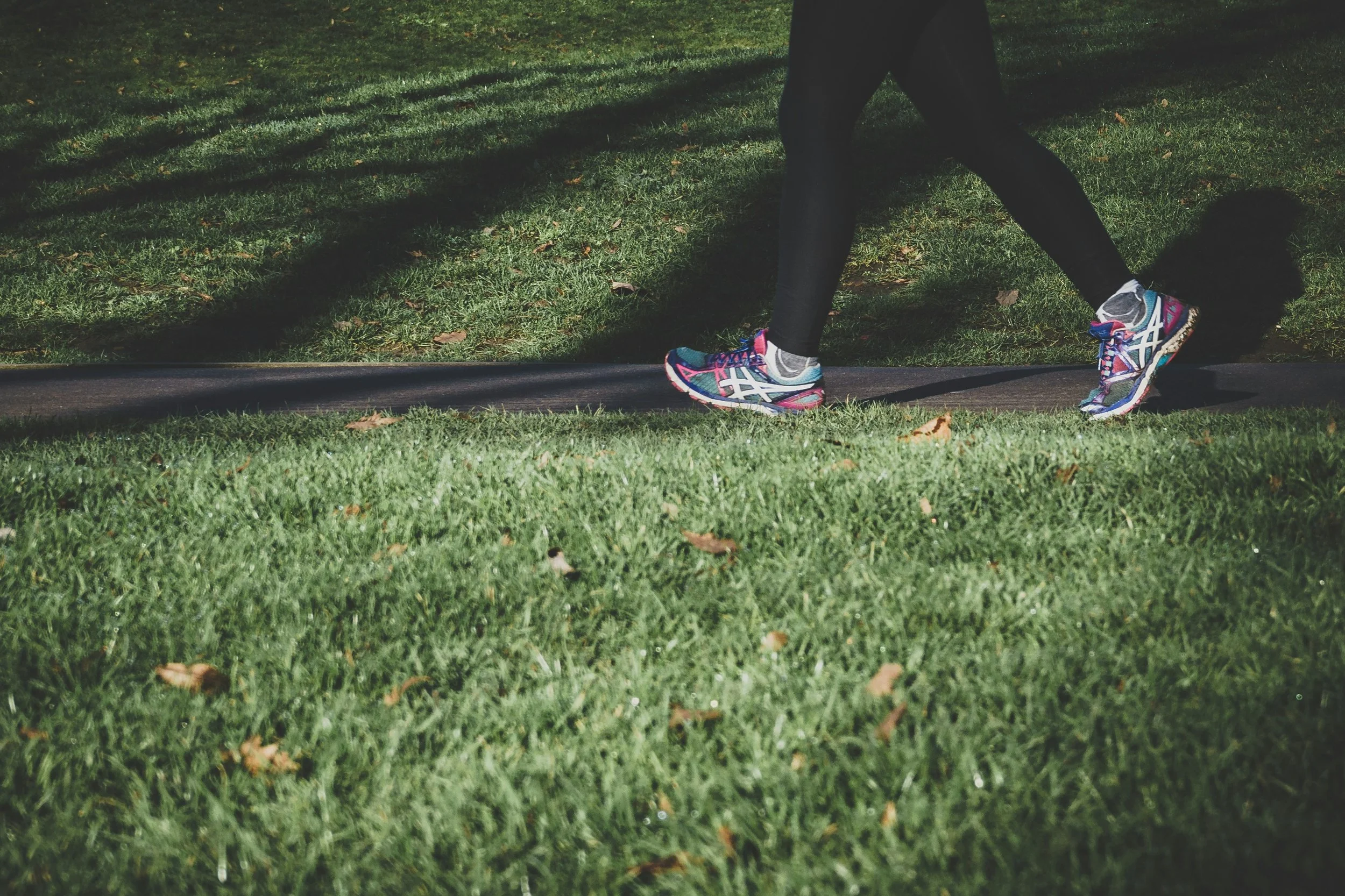
Walking Shoes
For daily walking, look for shoes that provide:
Good arch structure
Moderate cushioning
A stable heel counter
Flexibility at the forefoot
Walking shoes should support natural movement while protecting the foot from excessive strain.
-
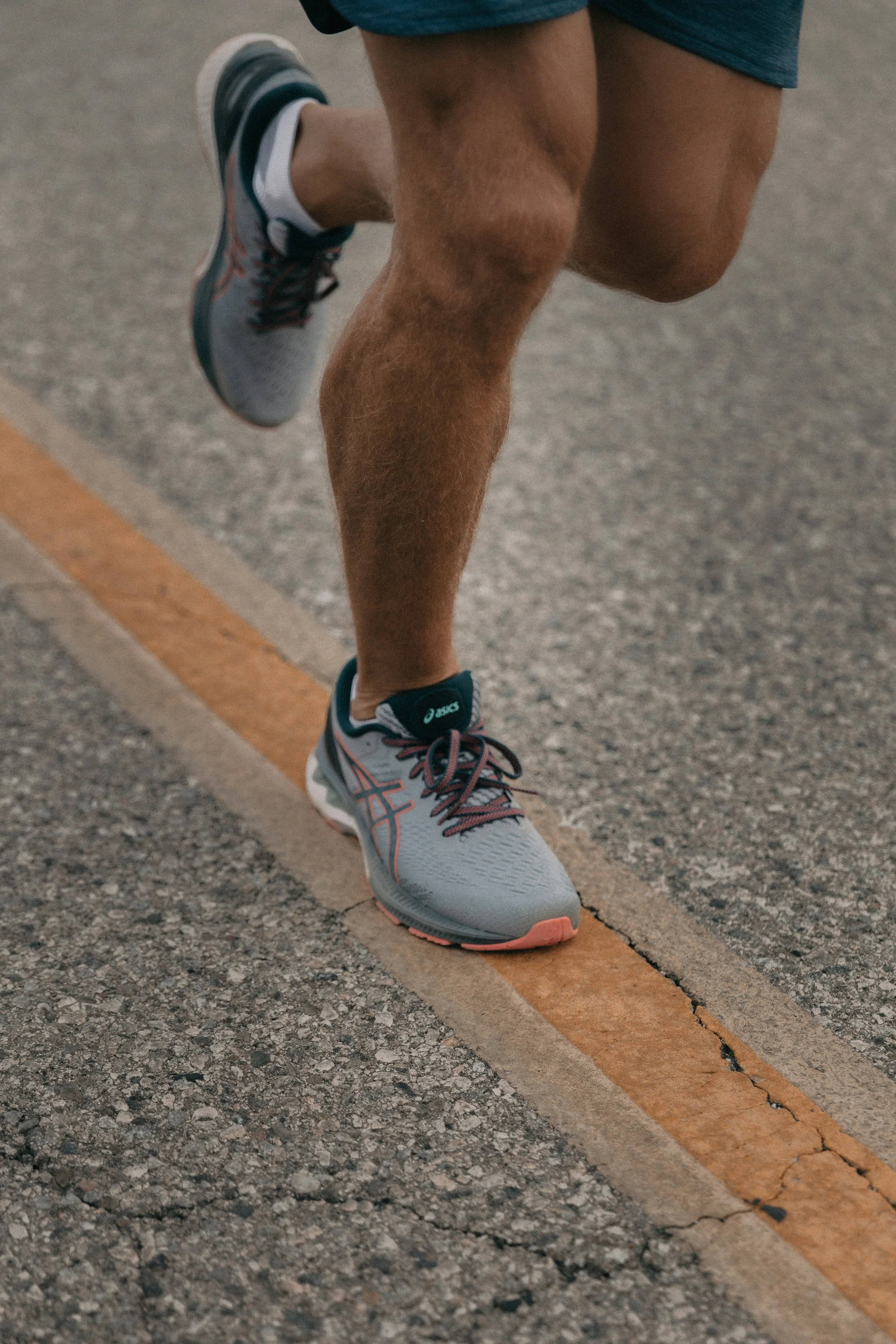
Running Shoes
Runners often require shoes that match their individual biomechanics.
Important factors include:
Cushioning level
Stability vs neutral design
Heel-to-toe drop
Flexibility and responsiveness
Selecting the correct running shoe can help reduce the risk of overuse injuries.
-
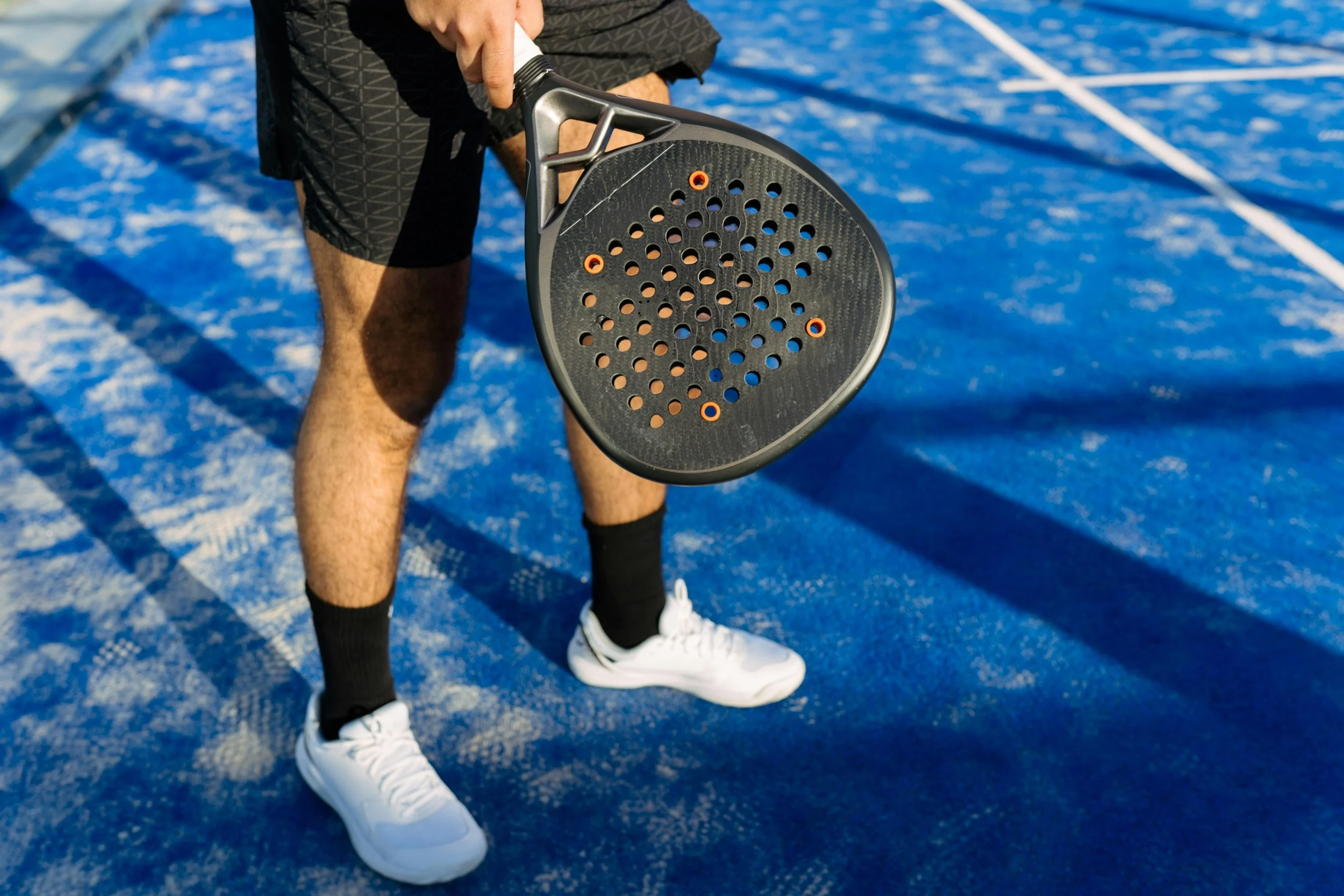
Court Sports (Pickleball / Tennis)
Court sports involve rapid changes in direction, which place significant stress on the foot and ankle.
Shoes designed for these sports should provide:
Lateral stability
Strong midfoot support
Durable outsole grip
These features help protect against ankle instability and forefoot overload.
-
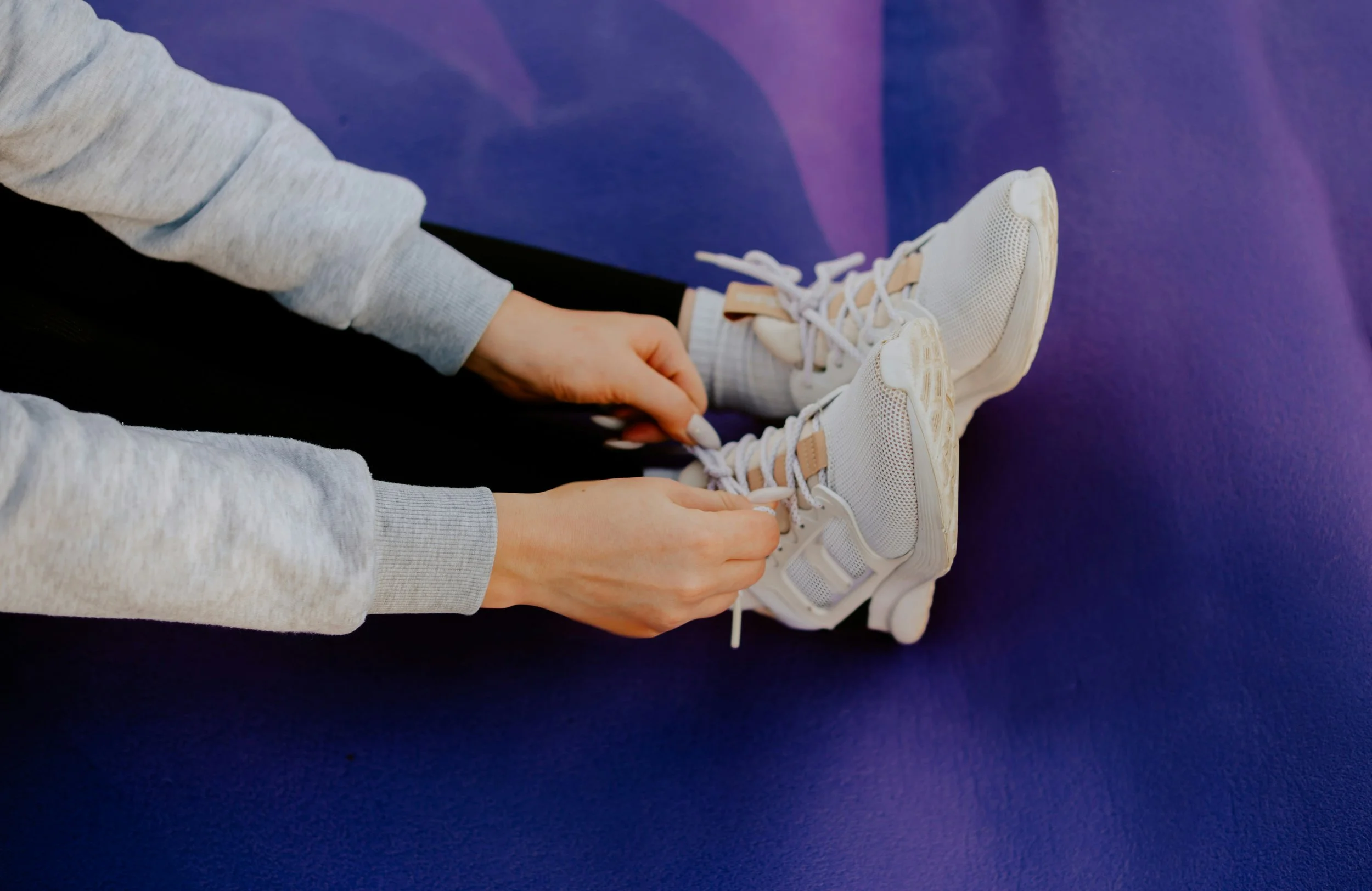
Everyday Footwear
Many people spend most of their day in casual shoes or work footwear. These choices matter just as much as athletic shoes.
Whenever possible, look for footwear that provides:
Adequate support
Proper fit in the toe box
Shock absorption
Structural stability
-
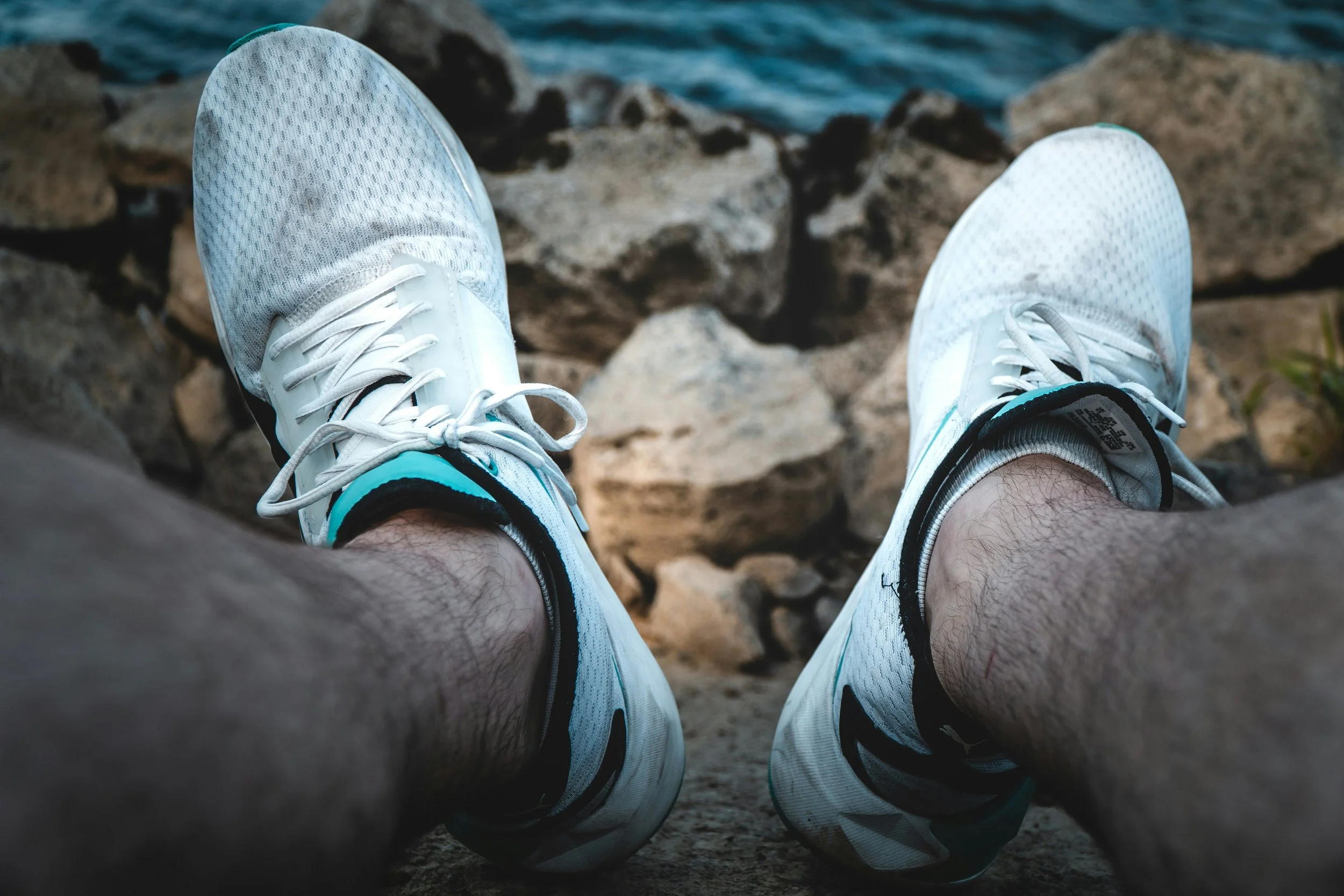
A Personalized Approach
Every foot is different. A shoe that works well for one person may not be ideal for another.
During your visit, we can evaluate your biomechanics and recommend footwear that supports your activity level and foot structure.
Small changes in footwear can sometimes produce dramatic improvements in comfort and mobility.

Dr. Baird’s Foot Health Store
Over the years, many patients have asked for recommendations on products that can help support foot and ankle health at home.
While there is no single product that solves every problem, certain tools can be extremely helpful when used as part of a broader plan to improve strength, mobility, and recovery.
Below are several categories of products that patients often find helpful.
-
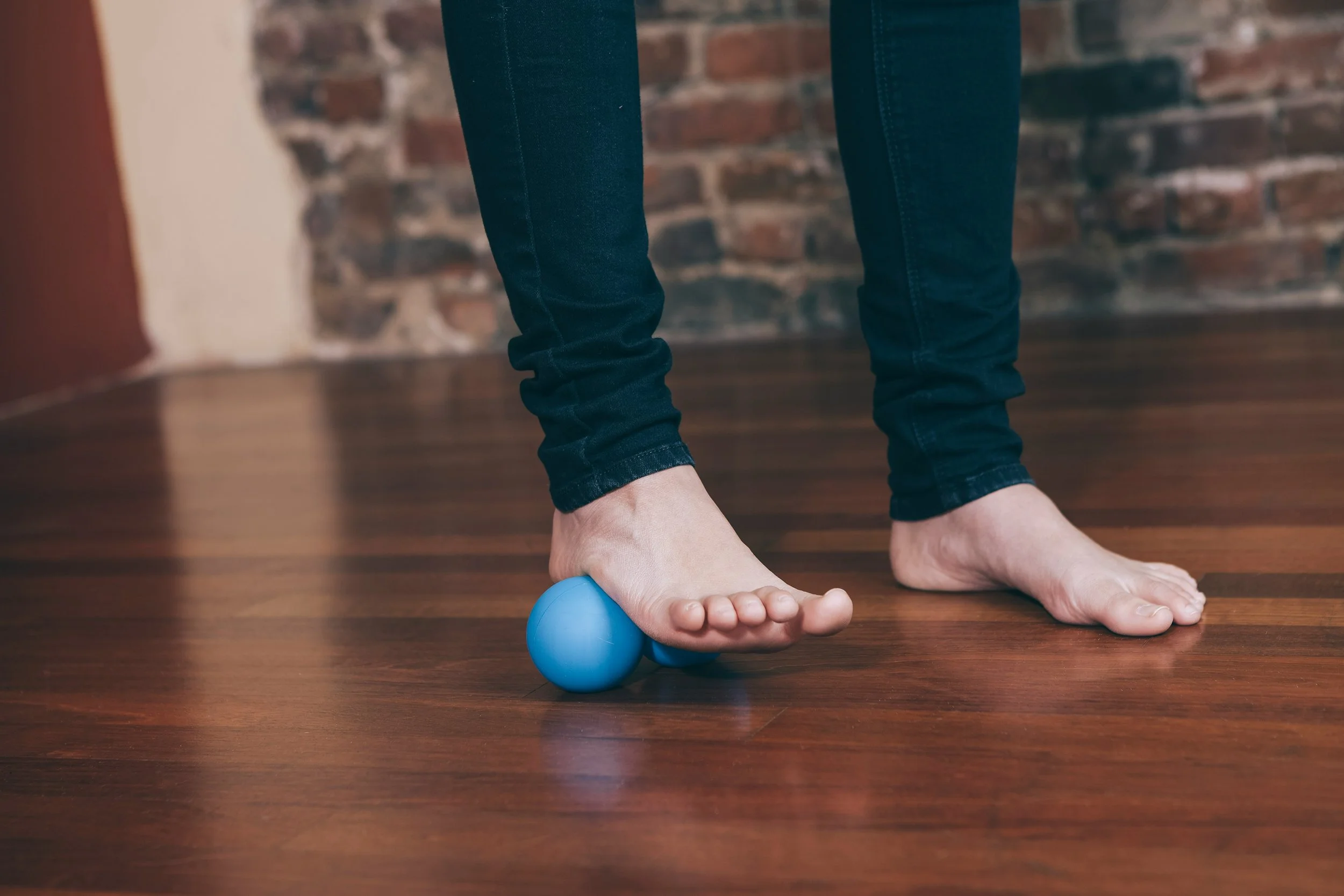
Foot Strength and Mobility Tools
Strengthening the small muscles of the foot can improve stability and reduce stress on joints and tendons.
Helpful tools may include:
Resistance bands for foot strengthening
Massage balls for plantar fascia mobility
Toe spacers to improve alignment
-
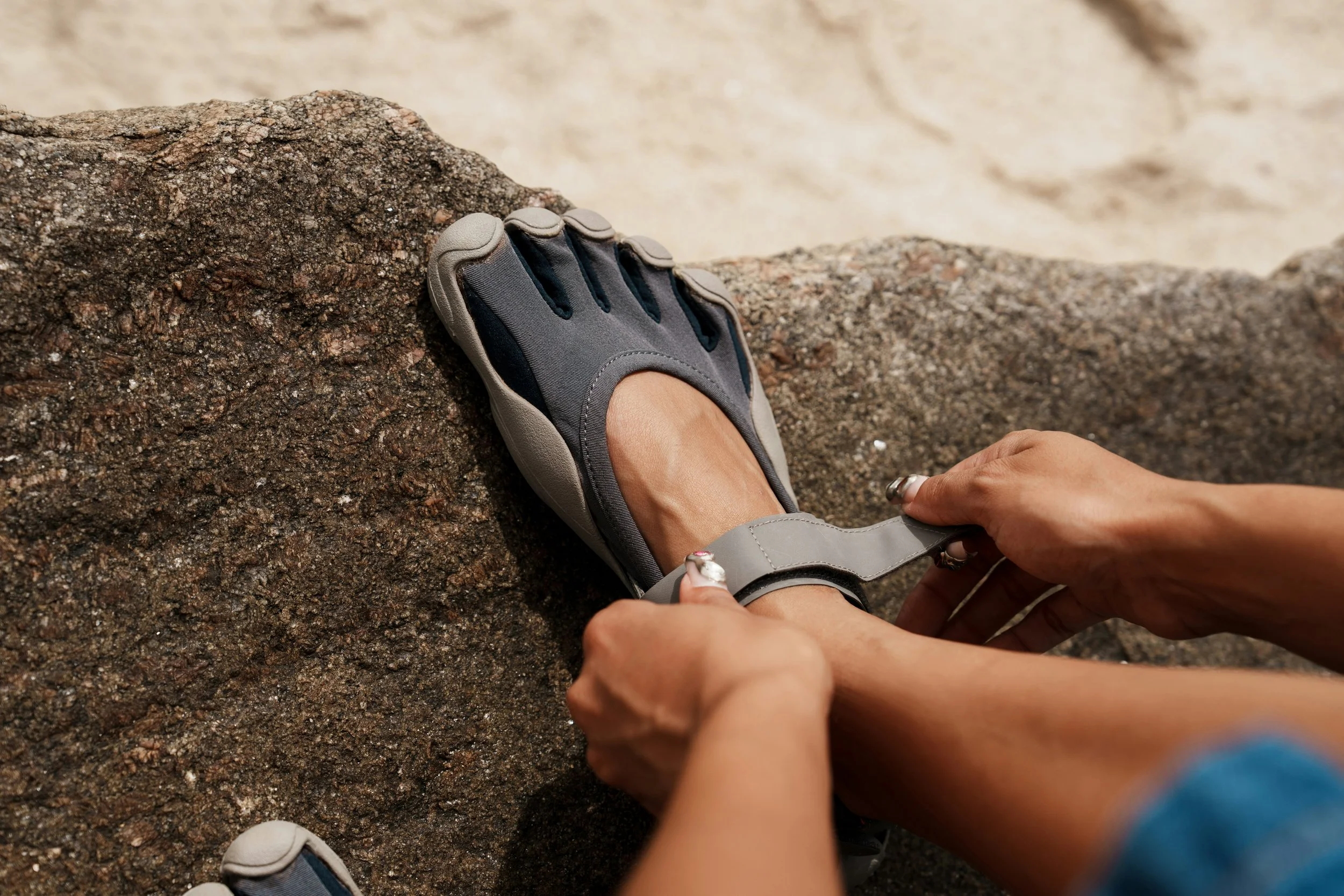
Recovery and Pain Relief Tools
Certain tools can help reduce tension and promote recovery after activity.
These may include:
Cold therapy tools
Compression products
Recovery sandals
-
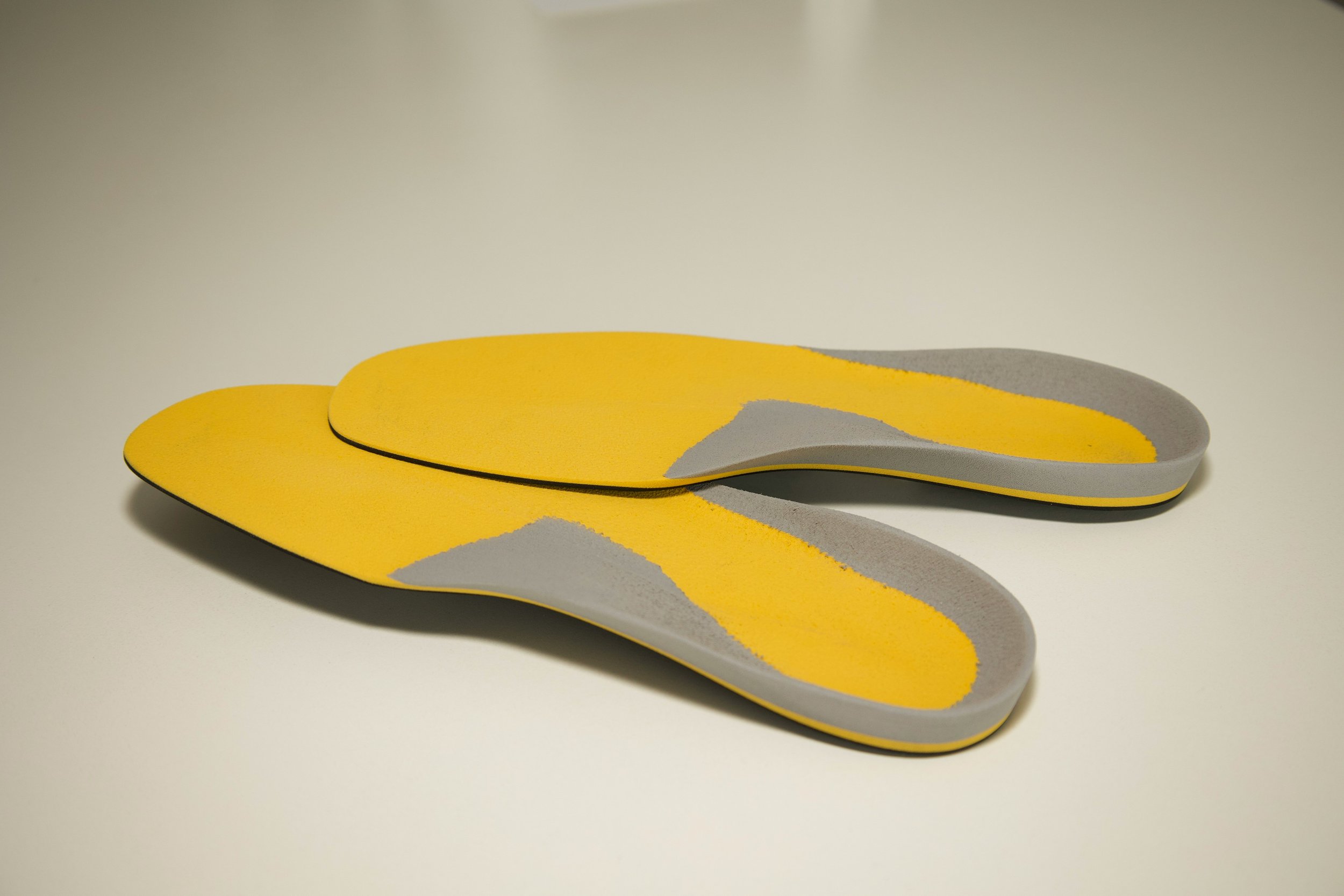
Supportive Inserts and Functional Orthotics
In some cases, supportive inserts or functional orthotics can help redistribute pressure and improve comfort during walking or activity.
Different types of inserts and functional orthotics are appropriate for different foot structures and conditions.
-
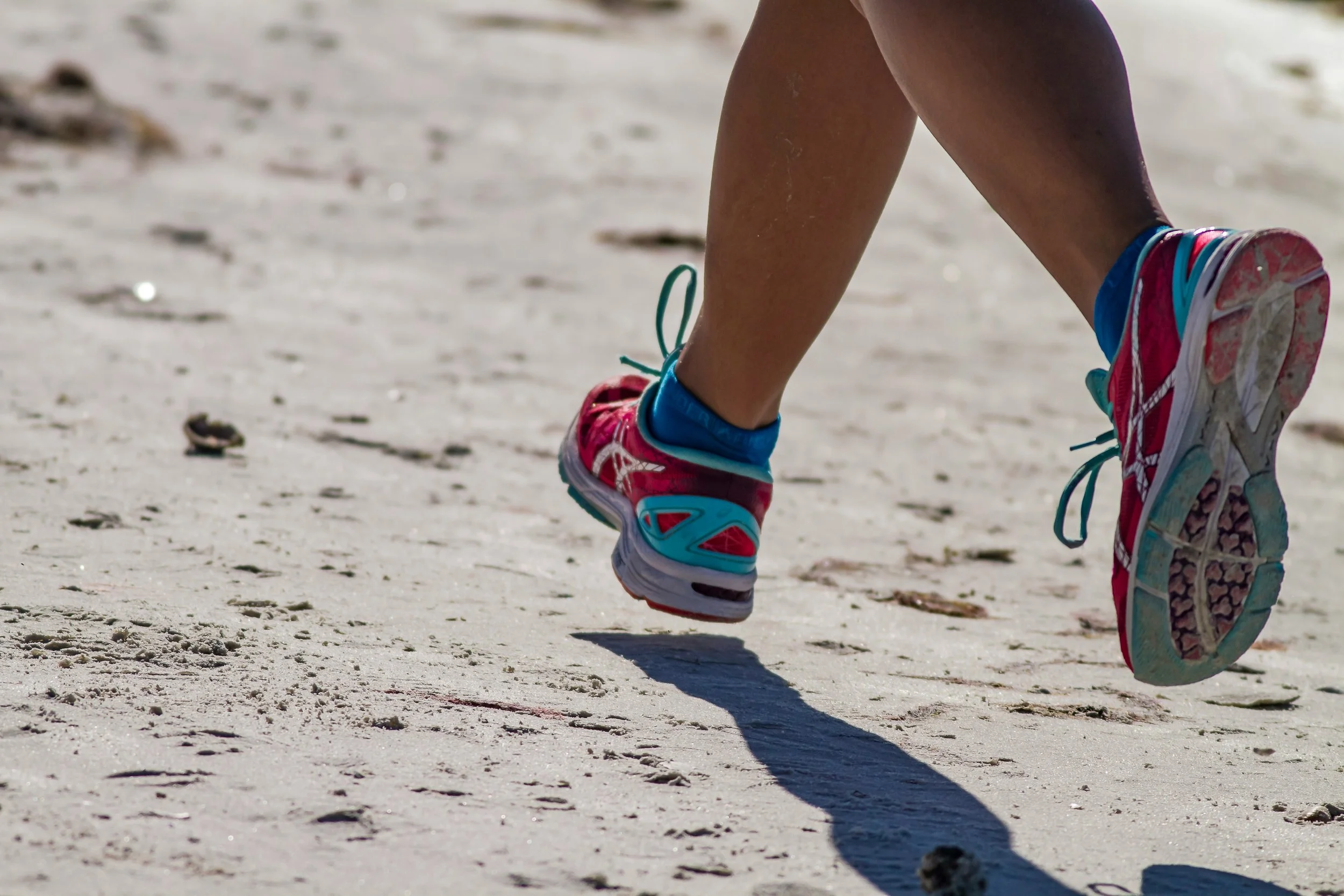
Footwear Recommendations
Proper footwear is one of the most important factors in protecting foot health. Patients will also find links to shoes and brands that consistently provide good support and design.