

Free Guide: The 7 Daily Habits That Protect Your Feet After 40
Learn the daily habits Dr. Baird recommends to help protect your feet, reduce pain, and stay active for years to come.

A Quick Thought About My Job
I sometimes tell my kids that my profession feels a little like being on a game show. Every day I have 30–40 participants waiting patiently—sometimes not so patiently—behind closed exam room doors. When I open the door, the clock starts.
In the next 10–30 minutes I need to:
Listen to the patient’s story
Examine the foot and ankle
Identify the likely cause of the problem
Explain what is happening
Create a practical plan to help them improve
Then the patient leaves and begins working on that plan. Two weeks later they return, often with progress, sometimes with new questions, and we continue refining the strategy. The truth is that the real work happens between visits—during the daily habits and choices people make at home.
Over more than 25 years of practice, I’ve noticed that patients who maintain a few simple habits tend to avoid many common foot and ankle problems. Here are seven habits that can help protect your feet and keep you active well after the age of forty.
Seven habits that can help protect your feet and keep you active well after the age of forty.

1. Know What Kind of Foot You Have
Not all feet function the same way. Some people have flexible feet, while others have more rigid structures. Some have high arches, while others have lower arches.
These differences become more important as we age. After about age forty, the connective tissues in our body gradually become thicker and less elastic. This means tissues may take longer to warm up and become more prone to stiffness after periods of rest.
Understanding your foot structure helps guide decisions about:
Footwear
Exercise
Stretching
Activity choices
Knowing your foot type allows you to work with your structure instead of constantly fighting against it.

2. Make Sure You Are Wearing the Right Size Shoe
Many people are surprised to learn that feet often get larger with age. As connective tissues gradually stretch and the arch lowers slightly, the foot can become longer and wider. This means that shoes that once fit well may no longer be the correct size.
If you haven’t measured your feet in several years, it may be time to do so. Wearing shoes that are too small can contribute to:
Bunions
Hammertoes
Nerve irritation
Forefoot pain
A properly fitting shoe is one of the simplest ways to reduce unnecessary stress on the foot.
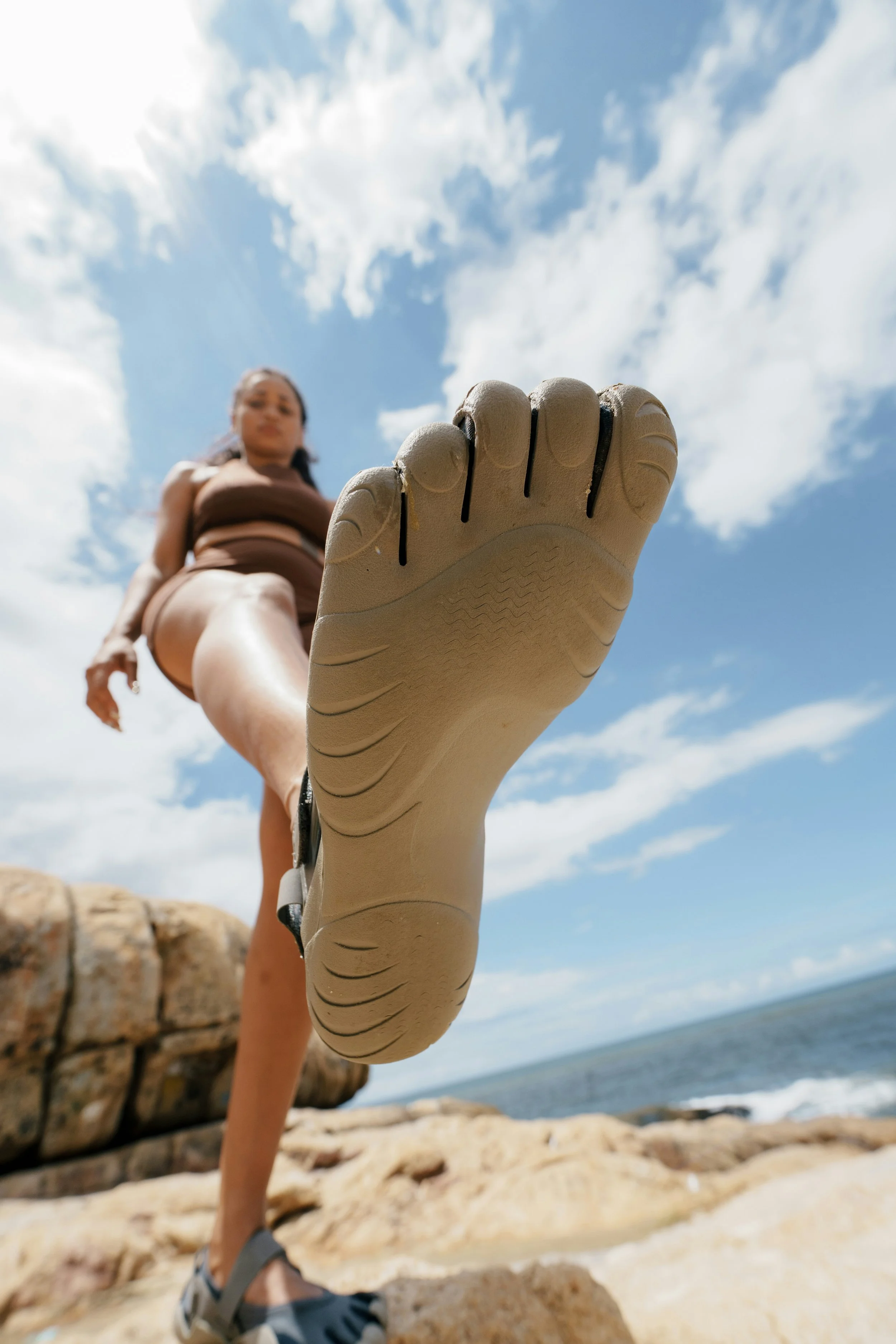
3. Know the Shape of Your Toes
Length is only one part of shoe fit. The shape of your foot and toes also matters. Some people have toes that are all roughly the same length. Others have a longer second toe, or a foot that tapers more sharply toward the front. These differences influence how pressure is distributed in the shoe.
Selecting footwear that matches the natural shape of your foot can help prevent:
Toe crowding
Pressure points
Joint irritation
Your feet will always function best when they are allowed to move naturally within the shoe.
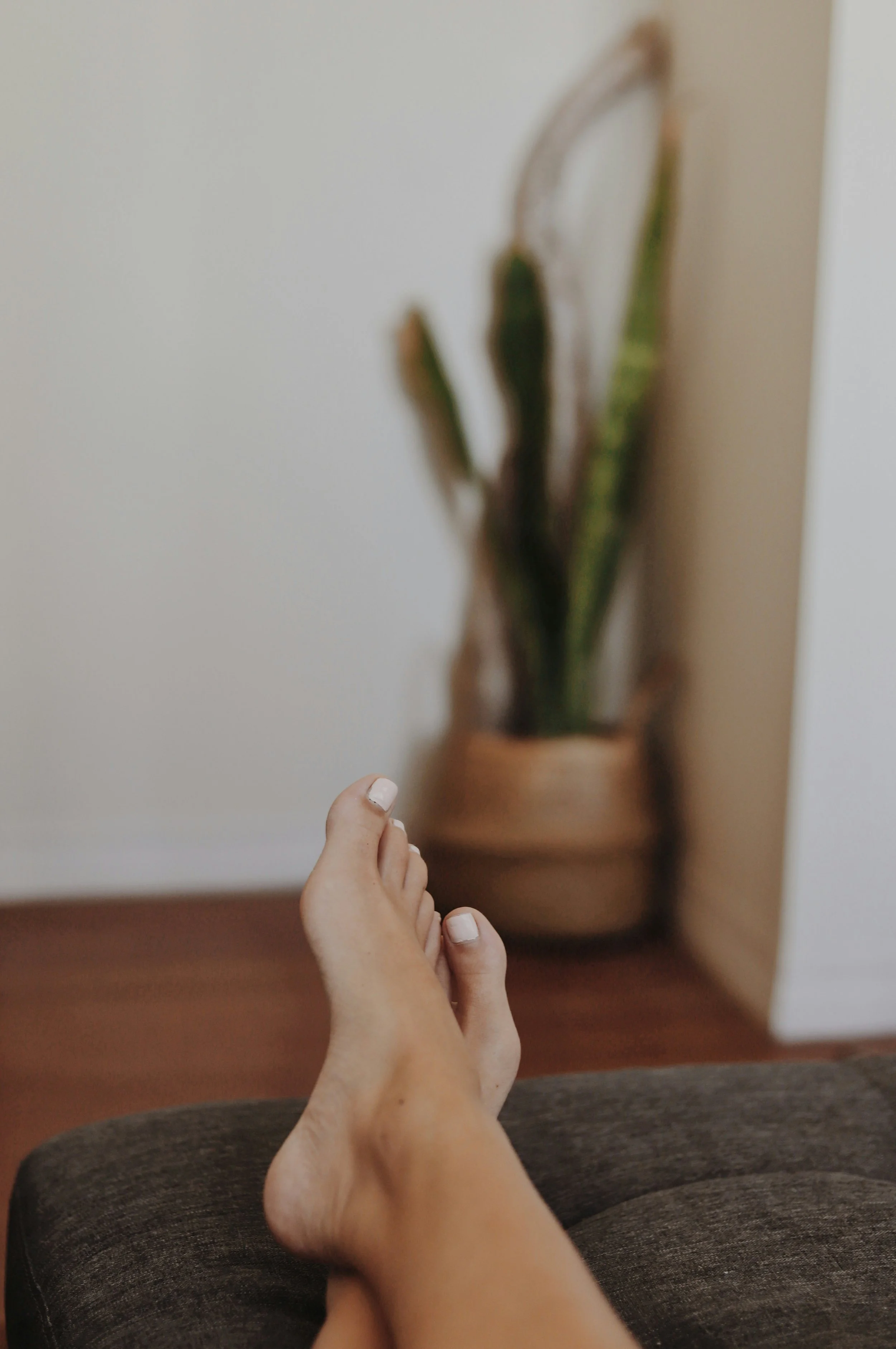
4. Cushion Isn’t Always Your Friend
Highly cushioned shoes are extremely popular right now.
And there is no question—they feel great when you first put them on. Walking in them can feel like stepping on clouds.
But sometimes too much cushioning can confuse the foot.
The foot contains many small muscles and sensory receptors that help it understand the ground beneath us. When the surface becomes excessively soft, the body may struggle to interpret those signals.
This can sometimes lead to overuse of certain muscles and structures.
I often compare it to eating a large bowl of ice cream. It feels wonderful in the moment—but later you might not feel quite as good.
Cushioning has its place, but balance and stability are just as important.

5. Sleep Matters—Especially When You Are Injured
Healing happens during rest.
When the body is injured, sleep becomes one of the most important tools for recovery. During deeper stages of sleep, the body releases hormones that help repair tissue and regulate inflammation.
Without adequate sleep, recovery from foot and ankle injuries can take significantly longer.
When dealing with an injury, prioritize sleep the same way you would prioritize any other treatment.
6. Start Your Day With Movement
Morning stiffness is very common after forty. One simple habit that can help is beginning the day with a short whole-body stretching or mobility routine. Even ten minutes can make a difference.
This routine may include gentle movements for:
Calves
Hamstrings
Hips
Lower back
Ankles
When the larger joints of the body move well, the feet often experience less stress during the day.
In many ways, maintaining joint mobility throughout the body may be one of the best long-term strategies for avoiding orthopedic problems later in life.

7. Remember: Your Feet Have Muscles Too
The foot contains more than 100 muscles, tendons, and ligaments working together to support movement.
These muscles benefit from daily use.
Simple exercises for the toes, arch, and ankle can help improve:
Strength
Circulation
Joint stability
Improved circulation supports the health of internal tissues as well as the skin.
Over time, stronger foot muscles can also help protect against common overuse injuries.

One More Thought About Pain Relief
Many people instinctively reach for ice when their feet hurt. While ice can be helpful in certain situations, many chronic foot conditions respond better to warmth, which helps improve circulation and tissue flexibility. Understanding when to use each approach can make a meaningful difference in recovery.
Protecting Your Ability to Stay Active
Our feet carry us through every activity we enjoy—walking, exercising, traveling, and spending time with the people who matter most. A few small daily habits can go a long way toward protecting that mobility.
If pain does develop, identifying the cause early and addressing it properly can help prevent small issues from becoming larger problems.
Your feet do a remarkable amount of work each day. Taking care of them is one of the best investments you can make in your long-term health.